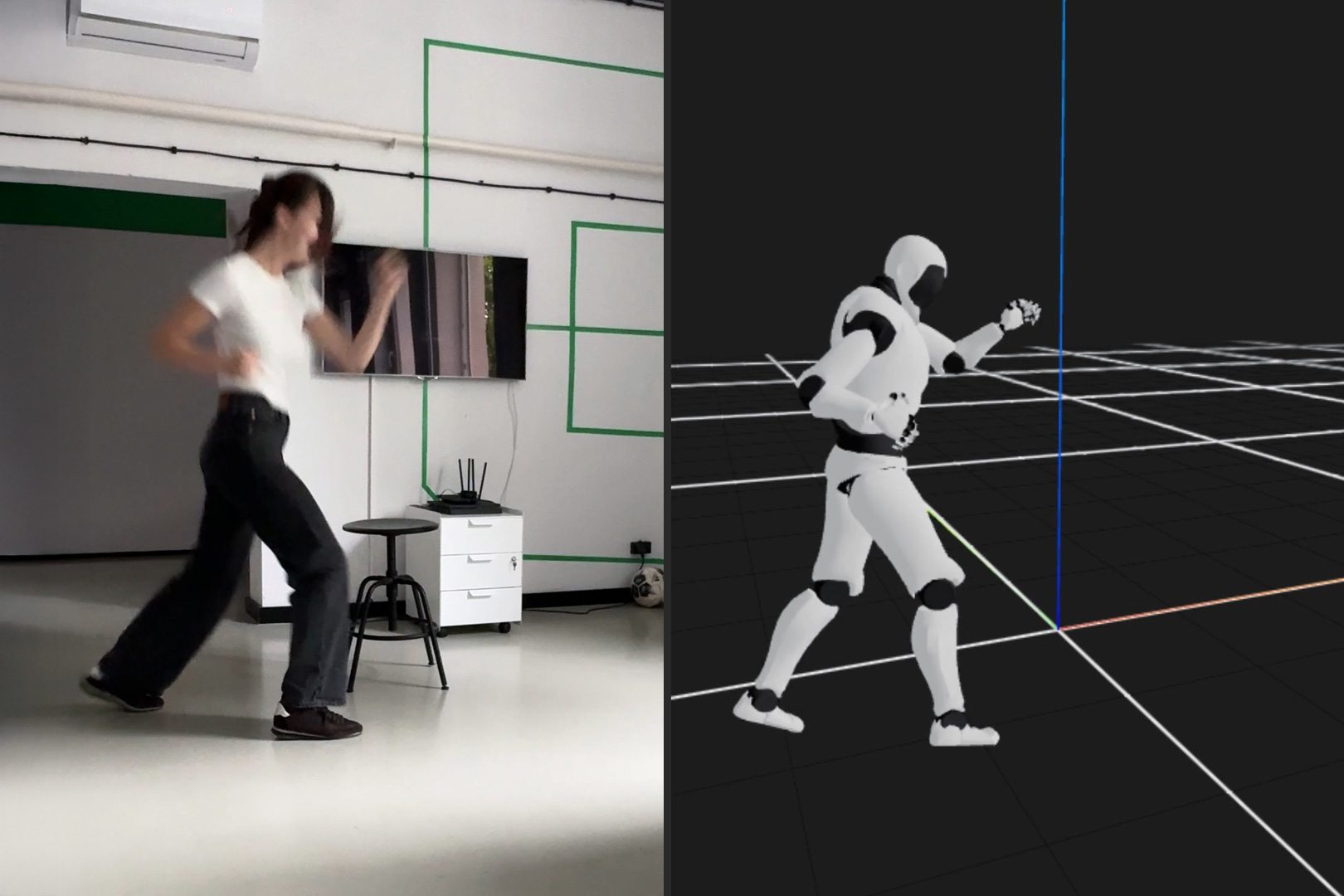
What Uta Hagen teaches about giving actors notes, and why it changes the way you direct a scene in 3D animation.
Two trailers can be equally polished and land in completely different ways. One you admire. The other moves you. Uta Hagen built her whole book on the difference between the two. You can play a character by imitating its behavior from the outside, picking the expression you want and pushing the performance until it fits. Or you can build the character's inner life and let the behavior come out of it on its own. The first earns applause for craft. The second makes people feel something.
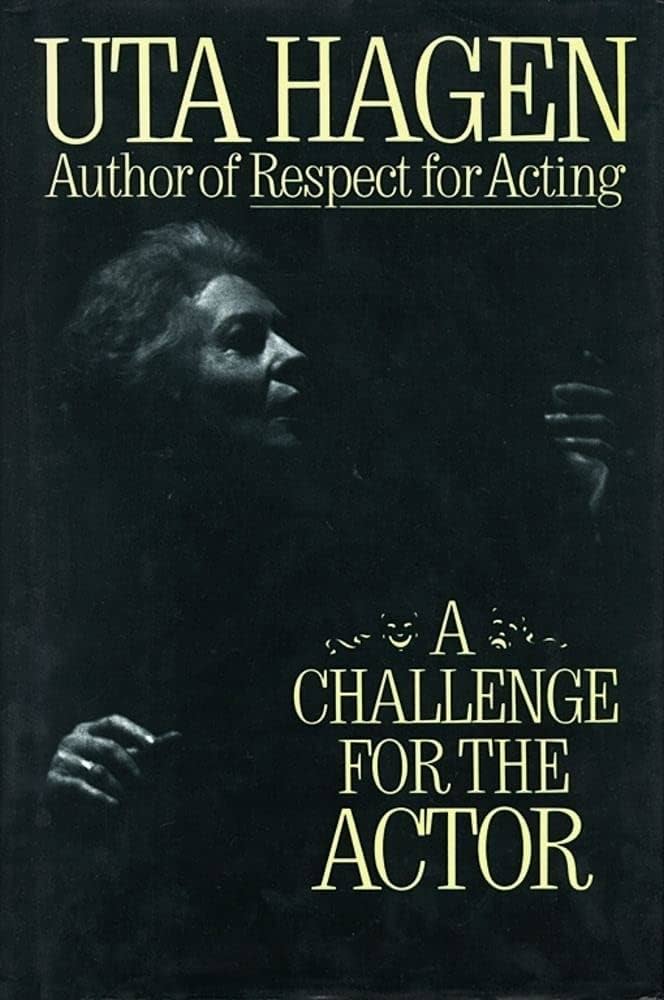
Uta Hagen was one of the most respected stage actresses of the 20th century, a two-time Tony winner who originated Martha in *Who's Afraid of Virginia Woolf?*. Blacklisted during the McCarthy years, she turned to teaching at HB Studio in New York, where her students included Al Pacino, Robert De Niro, and Sigourney Weaver. The method she taught lives in her book *Respect for Acting*, still one of the standard texts an actor gets handed. Everything below comes from it.
Her example is two great actresses playing the same scene, a wife swearing she is innocent. One threw the oath out of herself in a rising scream, and the audience stood up to applaud her. The other said it quietly, only twice, put her hand on her son's head and looked her husband in the eyes. The audience wept. In 3D animation we can polish the render down to the last pixel, but as a viewer you still ask yourself whether there is anything here you would call emotional truth.
In 3D animation the character is performed, exactly as on stage. It is just performed by someone else. In mocap the performer is an actor trained in theater or a stunt professional who does the fights and falls, guided by the animation director. In keyframe animation the animator takes over the actor's role, pose by pose.
So how do you build that life? Hagen breaks it into nine questions the actor answers before playing the moment:
- Who am I?
- What time is it?
- Where am I?
- What surrounds me?
- What are the given circumstances?
- What is my relationship?
- What do I want?
- What's in my way?
What do I do to get what I want?
The same nine work for a monster, a god, or a three-meter insect with a face we have never seen. The creature has no human face to read, but it still has given circumstances, a desire, an obstacle, and an action you can infer from its body language. "The actions of human beings are governed, more than anything else, by what they want, consciously or subconsciously," Hagen writes. A believable character comes from those ingredients, not from its species.
Feelings cannot be played, actions can. Hagen is merciless toward adjectives. "Angrily," "sadly," "gloomily," "gladly," "smilingly," "passionately," "shyly," and the rest "do not belong in anybody's acting score. They are not actions!" If a character ends up looking sad or furious, it is the result of "the give and take of the actions."
Select adjectives instead, she warns, and "you will simply make faces, strike poses, and guarantee that you won't be in action." That generic expression is exactly what reads as false.
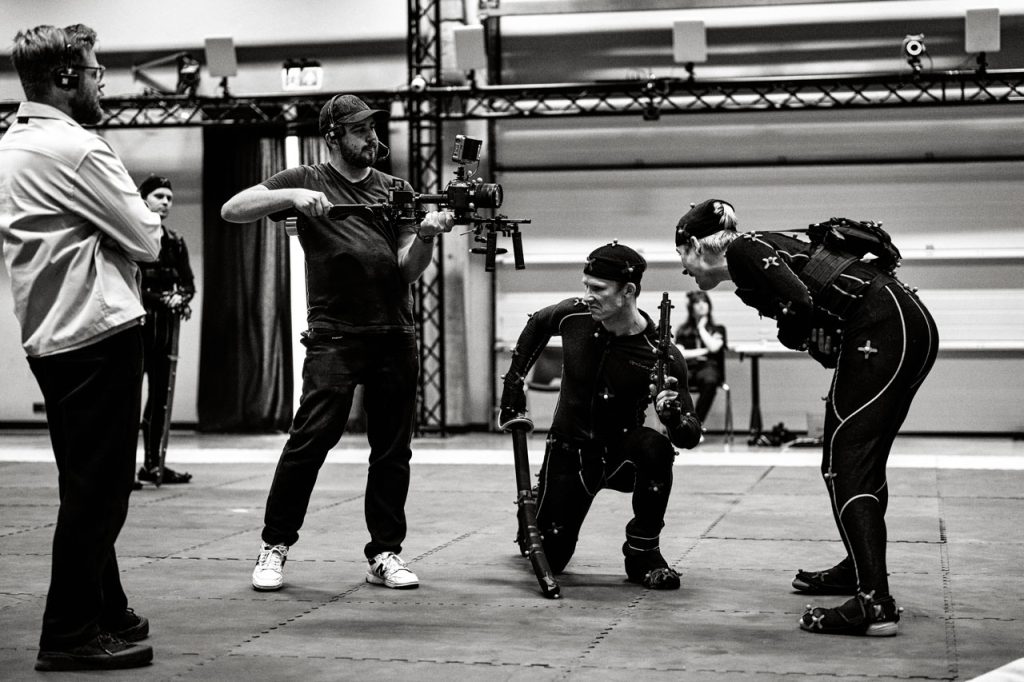
From the actor's or the 3D animator's side, what you should expect from the director is the direction, the place, the surroundings, the circumstances, and a defined relationship to the other characters. But how you make it credible to yourself, how you bring it into being, is entirely private work. The director owns the "what." The actor owns the "how." The last word still belongs to the director, "an exact counterpart to the conductor of an orchestra." "The director's concept must be followed, and your job is to make it live," she writes, "whether you agree or not." Directing sets the goal and the heading. Interpretation hits it.
From the director's side, the actor or 3D animator needs from you what the character wants, what stands in its way, what happened a moment before the shot starts, and where the beat breaks. Give intentions, not adjectives. "Be sad here" and "do it more angrily" hand the performer a result they can do nothing with. "She needs him to stay, and he is already at the door" hands them a goal and an obstacle. Hagen herself retypes the script to cross out every adjective in the stage directions, because an experienced actor learns to read a play for its human intentions, not its adverbs.
You are also allowed to show. Hagen reminds us that Stanislavsky himself gave demonstrations of actions and very precise line readings when he was directing. So did the director George Abbott, who handed her every inflection and every gesture until, frustrated, she imitated him exactly. He stopped her short: "Don't copy me! Don't you know what I mean when I show you what to do?" Once she understood he was giving her intentions, rather than a shape to trace, they sailed along. This is the rule when you demonstrate for a mocap actor or hand an animator a reference pose. Show the meaning, not the mask. If they trace the mask, you have lost.
How can you, as the actor or animator, help the director?
Ask for what turns a note into an action. If the note is "be scared," ask: scared of what, and what do I want instead. Ask about the desire when it is missing, about what happened a beat earlier, about who the character is talking to and what that relationship costs them. Ask about the shot before and after, because the intention has to survive the cut. These are not stalling questions.
One more line from Hagen, addressed to actors but just as true on a mocap stage and between an animator and a lead: "never tell, advise or 'help' your partner with his role! You immediately become a director instead of an actor." On set, stay in your lane. The desire belongs to the director. The interpretation belongs to the actor. Most friction, on a real set or a virtual one, comes from those two things accidentally swapping places.
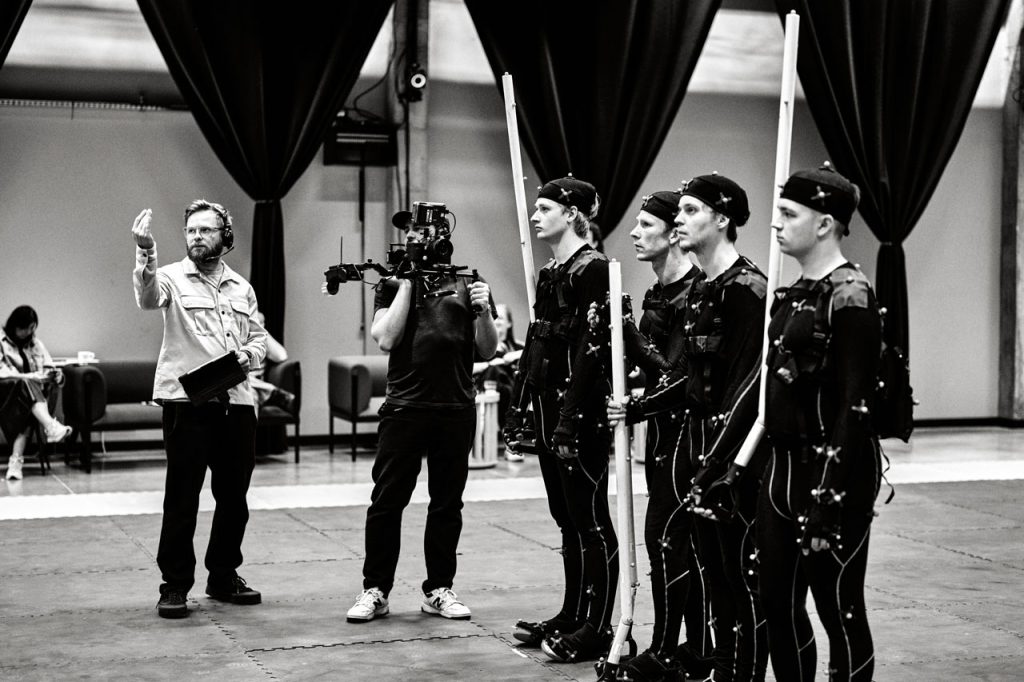
So before you set a single key, make sure the nine questions are answered for the shot. The ones only the director can settle, where you are, the given circumstances, the relationship, what the character wants and what stands in the way, are the ones to ask for out loud.
The rest is yours to make real.